Introduction: Why Reproductive Health Knowledge Matters
Women's reproductive health is a vast and deeply personal subject — one that affects physical wellbeing, emotional health, relationships, and life decisions across every stage of a woman's life. Yet it remains one of the most underunderstood areas of medicine, often surrounded by silence, stigma, or simple lack of education.
Understanding how your reproductive system works — what is normal, what is not, and what changes over time — empowers you to advocate for your own health, recognise early warning signs, and seek the right care at the right time. Whether you are trying to conceive, managing a chronic condition, or simply wanting to understand your body better, this guide is for you.
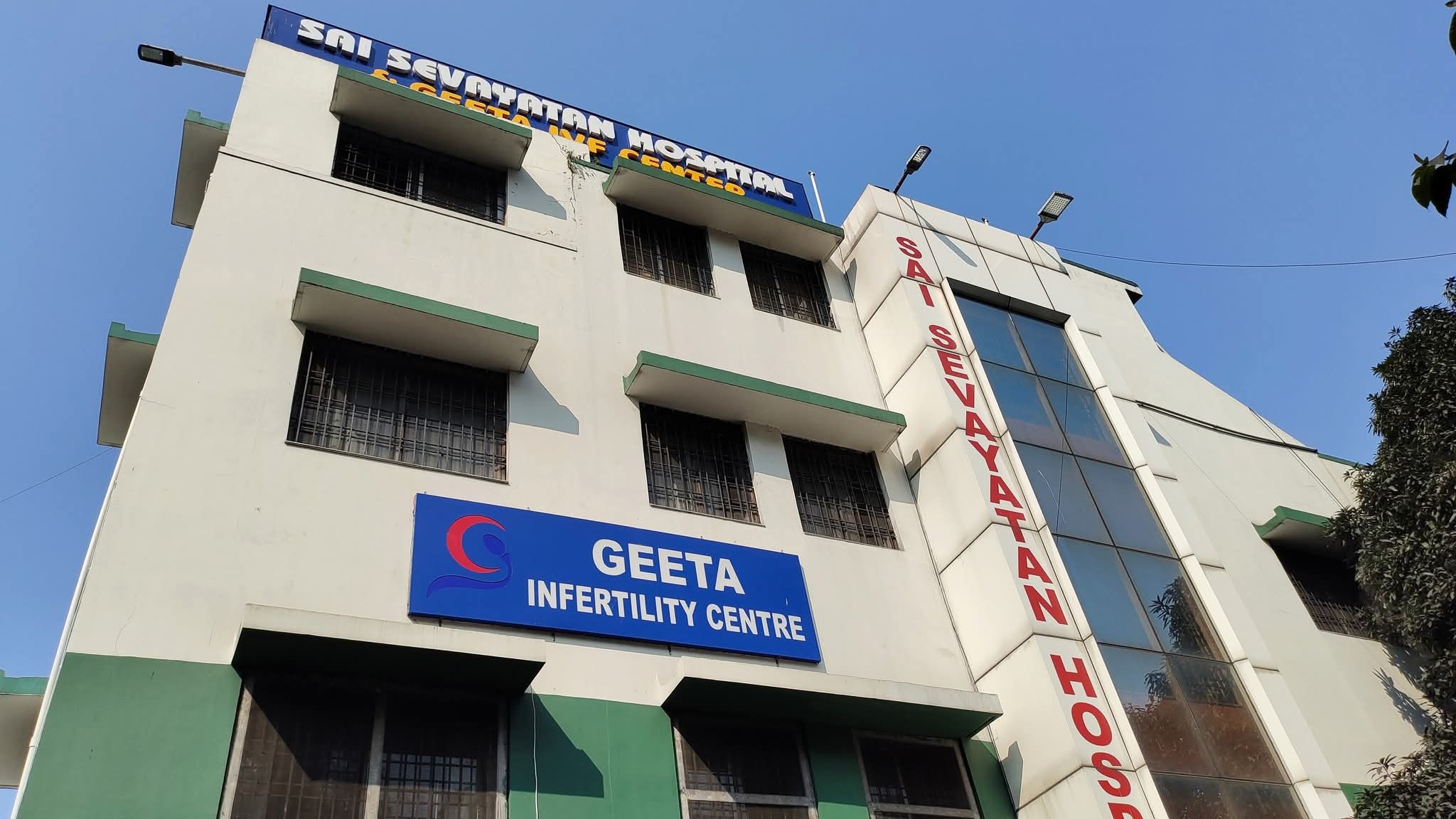
At Geeta IVF Centre, Dr. Geeta Sinha Manki believes that an informed patient is a better-cared-for patient. This article covers the key aspects of women's reproductive health in clear, accessible language.
The Female Reproductive System: A Brief Overview
The female reproductive system is an elegantly coordinated network of organs, each with a specific role in menstruation, fertility, and pregnancy:
- Ovaries: Two almond-shaped organs that produce eggs (oocytes) and the hormones estrogen and progesterone. A woman is born with all the eggs she will ever have — approximately 1 to 2 million at birth, declining to around 300,000 at puberty.
- Fallopian tubes: Two delicate tubes that transport eggs from the ovaries to the uterus. Fertilisation normally occurs within the fallopian tube, in the ampullary region.
- Uterus (womb): A pear-shaped muscular organ where a fertilised egg implants and grows into a baby during pregnancy. The inner lining — the endometrium — thickens and sheds each month during menstruation.
- Cervix: The lower, narrow portion of the uterus that connects to the vagina. It produces mucus that changes consistency during the menstrual cycle to either facilitate or prevent sperm entry.
- Vagina: The muscular canal connecting the uterus to the outside of the body. It serves as the birth canal and receives sperm during intercourse.
Understanding Your Menstrual Cycle
The menstrual cycle is the body's monthly preparation for potential pregnancy. A normal cycle lasts between 21 and 35 days, with an average of 28 days, though significant variation exists between women — and even from cycle to cycle for the same woman.
Understanding your cycle's four phases helps you identify your fertile window, detect hormonal imbalances early, and track your overall reproductive health.
Menstrual Phase
Days 1–5. The uterine lining sheds as menstruation. Estrogen and progesterone are at their lowest.
Follicular Phase
Days 1–13. FSH stimulates follicle growth in the ovaries. Estrogen rises, thickening the endometrium.
Ovulation
Around Day 14. An LH surge triggers release of a mature egg. This is the peak fertility window — typically 12–24 hours.
Luteal Phase
Days 15–28. Progesterone rises to prepare the uterus. If no implantation occurs, hormones drop and menstruation begins.
Tracking your cycle using a calendar, basal body temperature (BBT) charts, or ovulation predictor kits (OPKs) can help you identify your ovulation day and fertile window — typically the 5 days before ovulation and the day of ovulation itself.
When to be concerned: Cycles shorter than 21 days or longer than 35 days, very heavy or very light periods, severe menstrual pain, or periods that have stopped altogether (amenorrhoea) should be discussed with a gynaecologist.
Common Reproductive Health Conditions
Several conditions can affect the female reproductive system and fertility. Early diagnosis and appropriate treatment significantly improve outcomes.
PCOS
Polycystic Ovary Syndrome is the most common hormonal disorder in reproductive-age women, affecting 1 in 10. It is characterised by irregular periods, excess androgen (male hormones), and multiple small follicles on the ovaries.
Endometriosis
Tissue similar to the uterine lining grows outside the uterus — on the ovaries, fallopian tubes, or pelvic organs. Affects 10% of women globally and is a leading cause of pelvic pain and infertility.
Uterine Fibroids
Non-cancerous growths of the uterine muscle. Many women have fibroids without symptoms, but larger or submucosal fibroids can cause heavy periods, pelvic pressure, and implantation difficulties.
Thyroid & Fertility
Both underactive (hypothyroidism) and overactive (hyperthyroidism) thyroid glands can disrupt menstrual cycles, ovulation, and pregnancy. TSH levels should be checked in all women with fertility concerns.
PCOS: Symptoms, Diagnosis & Treatment
PCOS is a complex hormonal condition with a wide spectrum of presentations. Common symptoms include:
- Irregular, infrequent, or absent periods
- Excess facial or body hair (hirsutism)
- Acne and oily skin
- Weight gain, particularly around the abdomen
- Thinning hair or hair loss on the scalp
- Difficulty conceiving due to irregular ovulation
Diagnosis is made using the Rotterdam criteria — a woman must have at least two of three features: irregular ovulation, clinical/biochemical signs of excess androgens, and polycystic-appearing ovaries on ultrasound.
Treatment is tailored to the woman's goals. For those not seeking pregnancy, oral contraceptives help regulate cycles. For those trying to conceive, ovulation induction with medications such as Letrozole or Clomiphene is first-line, followed by IVF if needed. Lifestyle modification — particularly weight loss and regular exercise — is foundational for all PCOS patients and can restore ovulation independently in many cases.
Endometriosis: Impact on Fertility
Endometriosis causes inflammation, scarring, and adhesions that can distort pelvic anatomy, block the fallopian tubes, damage the ovaries (particularly "chocolate cysts" — endometriomas), and create a hostile environment for eggs, sperm, and embryos. Up to 50% of women with infertility have endometriosis, and many are undiagnosed for years.
Key facts about endometriosis and fertility:
- Mild endometriosis may still allow natural conception, especially in younger women.
- Moderate to severe disease often requires laparoscopic surgery to remove endometriotic tissue, followed by fertility treatment.
- IVF is an effective option for women with endometriosis-related infertility, with careful stimulation protocols to protect ovarian reserve.
- Endometriomas on the ovaries should be managed with caution — repeated surgical removal can reduce ovarian reserve. Discuss the risks with your specialist.
Uterine Fibroids and Fertility
Fibroids are extremely common — present in up to 70–80% of women by age 50. However, not all fibroids affect fertility. Their impact depends largely on their location:
- Submucosal fibroids (inside the uterine cavity): Most likely to affect implantation and cause miscarriage. Removal (hysteroscopic myomectomy) is recommended before fertility treatment.
- Intramural fibroids (within the uterine wall): Large fibroids may distort the cavity or impair blood flow to the endometrium. Treatment depends on size and symptoms.
- Subserosal fibroids (on the outer wall): Generally least likely to affect fertility unless very large.
Thyroid Disorders and Reproductive Health
The thyroid gland has a far-reaching influence on reproductive function. Thyroid hormone receptors are present in the ovaries, uterus, and placenta. An underactive thyroid (hypothyroidism) — the most common thyroid disorder in reproductive-age women — can cause:
- Irregular or absent menstrual periods
- Anovulation (failure to ovulate)
- Increased risk of miscarriage
- Elevated prolactin levels (hyperprolactinaemia), which further suppress ovulation
A simple blood test measuring TSH (thyroid-stimulating hormone) can diagnose thyroid disorders. Effective treatment with thyroid replacement medication (levothyroxine) can restore normal fertility in most cases. All women planning pregnancy or undergoing fertility treatment should have their thyroid function checked.
Ovarian Reserve & the Impact of Age
Ovarian reserve refers to the quantity and quality of eggs remaining in a woman's ovaries. Unlike men — who continuously produce new sperm — women are born with a finite number of eggs that cannot be replenished. This reserve declines steadily throughout life, with the rate of decline accelerating after age 35 and again after 37–38.
Two key tests assess ovarian reserve:
- AMH (Anti-Müllerian Hormone): A blood test measuring a hormone produced by the small follicles in the ovaries. AMH is the most reliable marker of ovarian reserve and can be taken at any point in the menstrual cycle. A higher AMH indicates a larger egg pool; a lower AMH suggests diminished reserve. However, AMH reflects quantity, not quality — egg quality declines with age regardless of AMH level.
- Antral Follicle Count (AFC): A transvaginal ultrasound performed on Day 2–4 of the menstrual cycle counts the number of small resting follicles visible in both ovaries. An AFC of 15–30 is considered normal; below 7 suggests diminished reserve.
Understanding your ovarian reserve allows you and your doctor to make informed, timely decisions about fertility planning. Women with diminished reserve who wish to conceive should not delay — every month matters.
Age and egg quality: By age 40, up to 80% of a woman's eggs may carry chromosomal abnormalities. This is why pregnancy rates decline and miscarriage rates rise with advancing age — and why Preimplantation Genetic Testing (PGT) may be recommended for older IVF patients.
The Importance of Regular Gynaecological Check-ups
Preventive care is the cornerstone of reproductive health. Many conditions — including cervical changes, ovarian cysts, fibroids, and early-stage infections — are entirely asymptomatic until they become more serious. Regular check-ups allow for early detection and timely intervention.
What your annual gynaecological review should include:
- Cervical screening (Pap smear): Recommended every 3–5 years (depending on age and previous results) to detect precancerous cervical changes caused by HPV.
- Pelvic examination: To assess the size and shape of the uterus and ovaries, and to detect any tenderness or masses.
- Transvaginal ultrasound: Valuable for visualising the uterus, ovarian size, follicle count, and detecting fibroids, polyps, or cysts.
- Blood tests: Including hormonal profile (FSH, LH, AMH, prolactin, thyroid function) and anaemia screen if periods are heavy.
- STI screening: Chlamydia and gonorrhoea, if left untreated, can cause pelvic inflammatory disease (PID) and permanent tubal damage — a leading cause of tubal factor infertility.
Fertility Preservation: Egg Freezing
Egg freezing (oocyte cryopreservation) is a groundbreaking option that allows women to preserve their fertility by banking their eggs at their current age and quality for future use. It is recommended in several situations:
- Medical reasons: Women diagnosed with cancer who need chemotherapy or radiation (which can destroy ovarian function) can freeze eggs before treatment begins.
- Social reasons: Women who are not yet ready for pregnancy — due to career, relationship, or personal circumstances — can preserve their reproductive options. Eggs frozen at 30 have the same chromosomal quality as if they were used at 30, even if used years later.
- Diminished ovarian reserve: Women identified as having a low ovarian reserve at a relatively young age may benefit from freezing eggs promptly before further decline.
The egg freezing process involves the same ovarian stimulation and egg retrieval steps as IVF, followed by vitrification — an ultra-rapid freezing technique that preserves eggs with over 90% survival rates on thawing. Frozen eggs can be stored for many years without significant deterioration in quality.
Signs You Should See a Specialist
Do not ignore these symptoms — consult a gynaecologist promptly:
- Periods that are absent, very irregular, extremely heavy, or accompanied by severe pain
- Pelvic pain or pressure at any point in the cycle, not just during menstruation
- Pain during intercourse (dyspareunia) — a common but under-reported symptom of endometriosis
- Unusual vaginal discharge, especially with odour or associated with itching or burning
- Bloating, a feeling of fullness, or a palpable abdominal mass
- Unexplained fatigue, weight changes, or excessive hair growth or loss
- Difficulty conceiving after 12 months of regular unprotected intercourse (or 6 months if over 35)
- Recurrent miscarriages (two or more pregnancy losses)
Emotional Wellbeing & Reproductive Health
Reproductive health is inseparable from mental and emotional health. Conditions like PCOS, endometriosis, and infertility do not just affect the body — they carry a significant psychological burden. Women dealing with chronic pelvic pain, hormonal fluctuations, or the grief of pregnancy loss often experience anxiety, depression, and a profound sense of loss of control over their own bodies.
It is important to acknowledge that these emotional responses are valid and common. You are not alone. Here is what we recommend:
- Speak openly with your doctor about how your condition is affecting your emotional health. Many women suffer in silence. A good specialist will address the psychological aspects of your care alongside the medical ones.
- Seek professional psychological support. A therapist or counsellor experienced in women's health and fertility can provide powerful coping tools — including Cognitive Behavioural Therapy (CBT) and mindfulness-based approaches that are clinically proven to reduce anxiety and improve quality of life.
- Connect with peer support communities. Meeting other women navigating similar challenges reduces isolation and provides practical wisdom and solidarity.
- Prioritise self-compassion. A diagnosis or fertility challenge is not your fault. Treat yourself with the same kindness and understanding you would offer a close friend.
- Include your partner. Reproductive health challenges affect relationships too. Open, honest communication and shared decision-making strengthen the partnership and make the journey more bearable for both of you.
Conclusion: Knowledge Is the Foundation of Care
Understanding your reproductive health — your cycle, your hormones, your ovarian reserve, and the conditions that can affect them — puts you in the most powerful position possible: that of an informed, engaged participant in your own healthcare. It means you can ask the right questions, recognise warning signs early, and make decisions that align with your values and life goals.
At Geeta IVF Centre, we are passionate about women's reproductive health education. Dr. Geeta Sinha Manki and our team welcome patients at every stage — from those seeking a first-time health check to those navigating complex fertility challenges. We provide compassionate, comprehensive, and personalised care in a warm and supportive environment.
Your reproductive health deserves attention, respect, and expert care. Take that first step today.
Your Reproductive Health Deserves Expert Care
Book a consultation with Dr. Geeta Sinha Manki for a comprehensive reproductive health assessment tailored to your needs.
Book Your Consultation