Why Lifestyle Matters for Fertility
When couples begin their journey toward parenthood, they often underestimate the profound influence that everyday lifestyle choices have on reproductive health. Fertility is not simply a genetic lottery — it is deeply connected to what you eat, how you move, how you sleep, and how you manage stress.
Research consistently shows that modifiable lifestyle factors account for a significant proportion of fertility challenges in both men and women. The good news is that many of these factors are within your control. Small, consistent changes — made together as a couple — can meaningfully improve your chances of natural conception and can also enhance the outcomes of fertility treatments like IVF and IUI.
At Geeta IVF Centre, we counsel our patients not just on medical treatments but on the full picture of reproductive health. This guide brings together the most important evidence-based lifestyle tips for couples who are trying to conceive.
Diet & Nutrition for Fertility
What you eat has a direct impact on hormonal balance, egg quality, sperm quality, and the uterine environment. A fertility-supportive diet is not a restrictive or extreme plan — it is simply a wholesome, balanced approach to eating.
Foods That Support Fertility
- Leafy green vegetables (spinach, fenugreek, kale): Rich in folate, iron, and antioxidants that protect egg and sperm DNA.
- Whole grains (brown rice, oats, quinoa): Provide slow-release carbohydrates that stabilise blood sugar and insulin levels — particularly important for women with PCOS.
- Legumes and lentils: Excellent plant-based protein sources with high folate content.
- Colourful fruits and vegetables: Rich in lycopene, beta-carotene, and vitamin C — antioxidants that reduce oxidative stress on reproductive cells.
- Fatty fish (salmon, sardines, mackerel): High in omega-3 fatty acids, which regulate reproductive hormones and reduce inflammation.
- Full-fat dairy: Some studies suggest full-fat dairy products may be more beneficial for ovulatory function than low-fat alternatives.
- Nuts and seeds (walnuts, flaxseeds, pumpkin seeds): Excellent sources of zinc, selenium, and essential fatty acids — all vital for sperm production and egg development.
The Role of Antioxidants
Oxidative stress — an imbalance between free radicals and antioxidants in the body — is a known contributor to poor egg and sperm quality. Antioxidant-rich foods help neutralise free radicals. Key antioxidants for fertility include Vitamin C (citrus fruits, capsicum), Vitamin E (almonds, sunflower seeds), selenium (Brazil nuts, eggs), and coenzyme Q10 (meat, fish, whole grains).
Folic Acid: Non-Negotiable for Women
Folic acid (the synthetic form of folate) is essential in the weeks before and after conception. It significantly reduces the risk of neural tube defects in the developing baby. Women planning pregnancy should take 400–800 mcg of folic acid daily, ideally starting at least three months before trying to conceive.
Foods to limit or avoid: Trans fats (found in fried foods and packaged snacks), excessive sugar and refined carbohydrates, alcohol, high-mercury fish (shark, swordfish, king mackerel), and excessive caffeine (limit to under 200 mg per day).
Weight & BMI: Finding Your Fertile Zone
Body weight profoundly affects hormonal balance and fertility. Both underweight and overweight can disrupt ovulation in women and reduce sperm quality in men.
- Being overweight (BMI above 25–30): Excess body fat leads to elevated estrogen levels and insulin resistance, disrupting ovulation. Losing even 5–10% of body weight can restore regular ovulatory cycles in overweight women.
- Being underweight (BMI below 18.5): Insufficient body fat signals the brain to suppress reproductive hormone production, leading to irregular or absent periods (amenorrhoea) and poor egg quality.
- Healthy BMI range (18.5–24.9): Associated with the best fertility outcomes and the most favourable response to fertility treatments.
If your BMI falls outside the healthy range, working with a dietitian or your fertility specialist to achieve a healthier weight before attempting conception is one of the most impactful steps you can take.
Exercise: The Right Balance
Regular moderate exercise is beneficial for fertility — it improves insulin sensitivity, supports a healthy BMI, reduces stress, and promotes better sleep. However, the relationship between exercise and fertility follows an inverted U-curve: too little or too much can both be harmful.
- Beneficial exercise: Brisk walking, swimming, yoga, cycling, and light strength training — 30 minutes, 4–5 days per week.
- Exercise to moderate during fertility treatment: High-impact activities like running and intense aerobics. During stimulation and after embryo transfer, avoid vigorous exercise entirely.
- Avoid excessive exercise: Elite athletes or women who exercise intensely for more than 60 minutes daily may develop hypothalamic amenorrhoea — a condition where the brain switches off the reproductive system due to energy deficit. This directly impairs ovulation.
Stress & Fertility: The Cortisol Connection
Chronic stress elevates cortisol — the body's primary stress hormone. Elevated cortisol suppresses the production of GnRH (gonadotropin-releasing hormone), which in turn disrupts the entire hormonal cascade governing ovulation and sperm production.
While a single stressful event is unlikely to prevent conception, sustained high stress — particularly during fertility treatment — can impair outcomes. Effective stress management techniques include:
Mindfulness Meditation
Just 10 minutes of guided mindfulness daily can significantly reduce cortisol levels and anxiety.
Yoga & Breathwork
Fertility-focused yoga combines gentle movement with breathing techniques proven to reduce stress hormones.
Couples Counselling
Fertility challenges can strain relationships. Speaking to a counsellor helps couples communicate and support each other better.
Journalling
Writing about your feelings and experiences helps process emotions and reduce psychological burden during treatment.
Avoiding Environmental Toxins
Everyday exposure to certain chemicals can interfere with the endocrine (hormonal) system, impairing fertility in both men and women. These substances, known as endocrine-disrupting chemicals (EDCs), include:
- BPA (Bisphenol A): Found in some plastic bottles, food packaging, and tin can linings. BPA mimics estrogen and has been linked to poor egg quality and reduced sperm parameters. Opt for glass or BPA-free containers and avoid heating food in plastic.
- Pesticides and herbicides: Found on non-organic produce. Wash fruits and vegetables thoroughly or choose organic where possible, especially for high-pesticide produce like strawberries, apples, and spinach.
- Phthalates: Common in personal care products, air fresheners, and PVC plastics. Choose fragrance-free or natural personal care products.
- Smoking and passive smoking: Cigarette smoke dramatically accelerates ovarian aging, reduces egg quality, damages sperm DNA, and increases miscarriage risk. Quitting smoking is one of the most impactful things either partner can do for fertility.
- Alcohol: Even moderate drinking can impair egg quality and hormonal balance. During fertility treatment, complete abstinence is advisable.
Sleep & Circadian Rhythm
Sleep is often the most overlooked pillar of fertility health. Reproductive hormones — including LH, FSH, prolactin, and melatonin — are secreted in a circadian rhythm that depends on regular, quality sleep. Disrupted sleep or chronic sleep deprivation can throw these hormones off balance.
- Aim for 7 to 9 hours of quality sleep per night in a dark, cool room.
- Maintain consistent sleep and wake times, even on weekends.
- Avoid screens (phones, tablets, laptops) for at least an hour before bed — blue light suppresses melatonin production.
- Women who work night shifts have higher rates of menstrual irregularity and reduced fertility. If possible, discuss schedule adjustments during active fertility treatment.
Key Supplements to Consider
While a balanced diet is the foundation, certain supplements are supported by evidence for fertility enhancement. Always discuss supplementation with your fertility specialist before starting.
- Folic acid / Methylfolate (400–800 mcg): Essential for all women trying to conceive. Women with the MTHFR gene variant may need methylfolate instead.
- Coenzyme Q10 (CoQ10, 200–600 mg): A powerful antioxidant found in every cell. Supports mitochondrial energy production in eggs and sperm. Particularly beneficial for women over 35 and men with poor sperm parameters.
- Vitamin D (1,000–2,000 IU or as per blood test): Vitamin D deficiency is linked to poor IVF outcomes, PCOS, and endometriosis. Get your levels checked and supplement accordingly.
- Omega-3 fatty acids (1,000–2,000 mg DHA/EPA daily): Reduce inflammation, support egg and sperm quality, and improve uterine blood flow.
- Inositol (Myo-inositol + D-chiro-inositol): Particularly effective for women with PCOS. Improves insulin sensitivity and ovarian function.
- Zinc (for men, 25–45 mg): Essential for sperm production, testosterone synthesis, and DNA integrity.
Fertility Tips Specifically for Men
Male factor infertility contributes to roughly half of all infertility cases, yet men's reproductive health often receives less attention. Sperm health can be significantly improved through lifestyle changes.
- Diet: Follow the antioxidant-rich diet described above. Zinc (oysters, pumpkin seeds, lean meat) and selenium (Brazil nuts) are particularly important for sperm production.
- Avoid heat exposure: Sperm production requires a temperature slightly lower than core body temperature. Avoid prolonged hot baths, saunas, and keeping laptops on the lap. Opt for loose-fitting underwear (boxers over briefs).
- Limit cycling: Long-distance cycling (more than 5 hours per week) has been associated with reduced sperm motility and erectile dysfunction. Choose padded shorts and ergonomic saddles if cycling is unavoidable.
- Reduce alcohol and quit smoking: Both have dose-dependent negative effects on sperm count, motility, and DNA fragmentation.
- Varicocele evaluation: A varicocele (enlargement of veins in the scrotum) is the most common correctable cause of male infertility. Surgical repair can significantly improve sperm parameters.
- Manage stress: Chronic psychological stress elevates oxidative stress markers in semen and reduces testosterone. The stress management tips above apply equally to men.
When to See a Fertility Specialist
While lifestyle optimisation is a powerful first step, it should not delay medical evaluation if there are clear indications for investigation. You should consult a fertility specialist if:
- You are under 35 and have been trying to conceive for 12 months without success.
- You are 35 or older and have been trying for 6 months.
- You are 40 or older — seek evaluation without delay.
- You have irregular or absent periods, a known diagnosis of PCOS, endometriosis, or fibroids.
- You have had two or more miscarriages.
- Your male partner has a known history of testicular issues, varicocele, or previous semen analysis abnormalities.
- Either partner has had prior pelvic or abdominal surgery that may affect reproductive organs.
Remember: Seeking help early is a sign of wisdom, not weakness. Early evaluation allows for timely diagnosis and the widest possible range of treatment options.
Conclusion: Small Steps, Big Results
Optimising your fertility does not require dramatic, overnight changes. It begins with small, consistent improvements — eating more vegetables, going to bed 30 minutes earlier, taking a walk together each evening, putting down the cigarette for good. Each positive change compounds over time, creating a healthier hormonal environment for conception to take place.
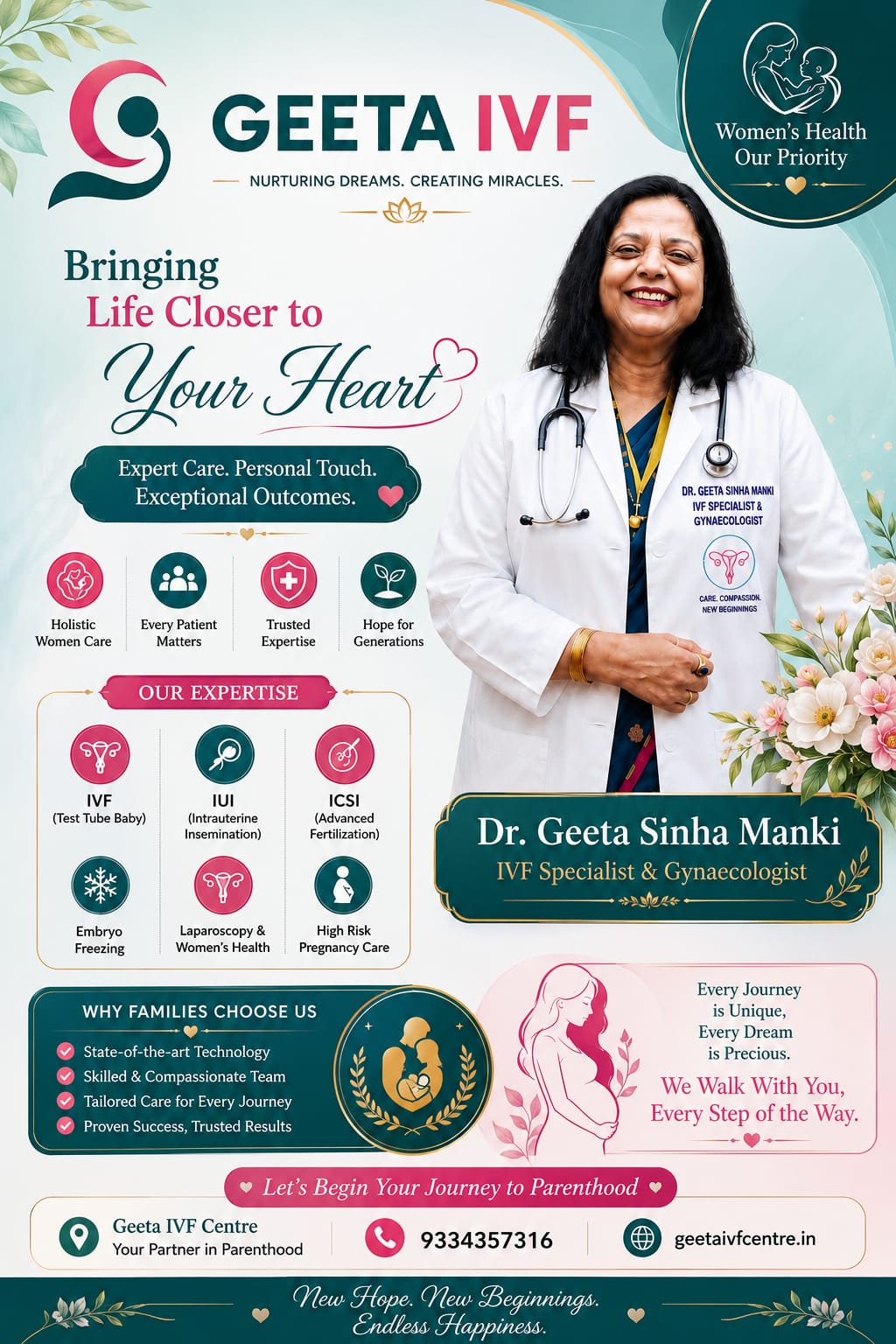
At Geeta IVF Centre, we are committed to supporting you through every dimension of your fertility journey — not just with cutting-edge medical treatment, but with compassionate, whole-person care. If you would like personalised guidance on optimising your fertility, we warmly invite you to book a consultation with Dr. Geeta Sinha Manki.
Get Personalised Fertility Guidance
Every couple's journey is unique. Book a consultation and receive a tailored fertility health plan from our expert team.
Book Your Consultation